Get Chimney Installation
Chimney installation services help property owners install, replace, or repair chimneys to ensure safe, efficient venting for fireplaces, stoves, and heating systems.
If you're considering installing a chimney, you're in the right place to explore your options. Many property owners in the area look into chimney installation for practical reasons such as enhancing home heating efficiency, improving indoor comfort, or preparing for upcoming seasonal needs. Planning a project like this involves understanding the different approaches and solutions available, which can vary based on your property’s layout and specific requirements. Continuing to explore local service providers can help you find the right fit for your project.
Comparing local contractors who specialize in chimney installation ensures you have access to experienced professionals capable of handling the work effectively. Whether you're upgrading an existing chimney or installing a new one, finding qualified service providers nearby allows you to review your options and make informed decisions. Keep reading to learn more about how local experts can assist with your chimney project and help you achieve your property goals.
- Chimney Repair - needed when a chimney shows signs of damage, leaks, or deterioration that require professional fixing.
- Chimney Replacement - necessary when an existing chimney is beyond repair or no longer functions properly.
- Chimney Cap Installation - essential for preventing debris, animals, and water from entering the chimney.
- Chimney Cleaning - recommended when buildup of soot or creosote poses a fire hazard or reduces efficiency.
- Chimney Inspection - important for assessing the condition of a chimney before installation or after severe weather events.
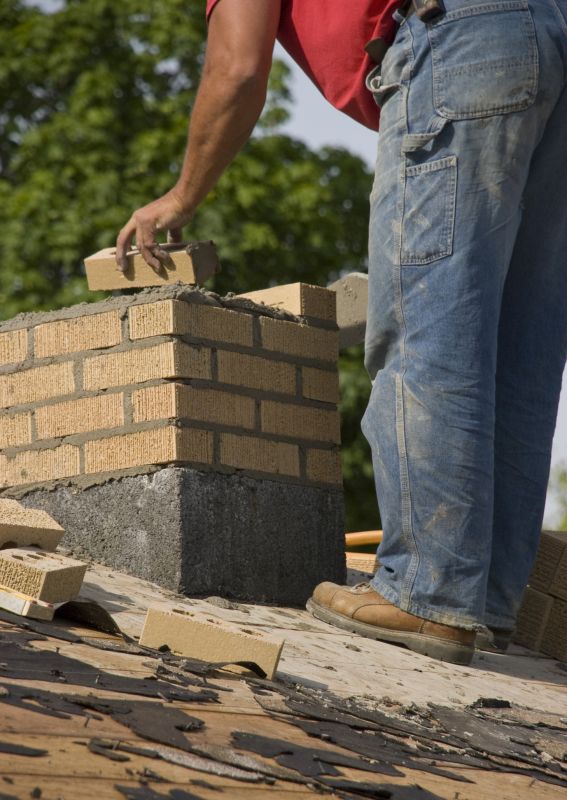
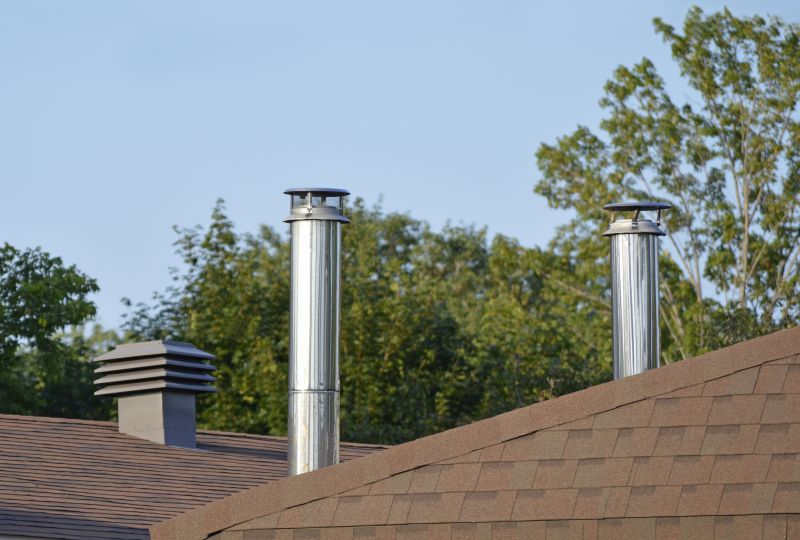
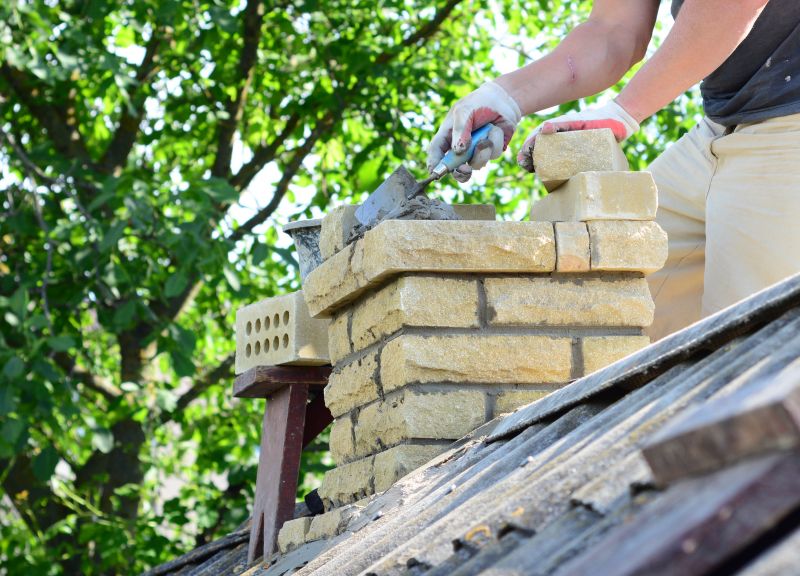
Chimney installation services involve designing, constructing, and properly fitting a chimney system to ensure safe and efficient venting of smoke and gases from a fireplace, stove, or heating appliance. This process typically includes assessing the property’s structure, selecting appropriate materials, and ensuring the chimney is built to meet safety standards. Professional contractors focus on creating a secure pathway for combustion byproducts to exit the home, which helps prevent dangerous buildup of smoke or gases inside the living space.
One common reason homeowners seek chimney installation is to address issues caused by outdated or damaged chimneys. Over time, chimneys can develop cracks, blockages, or deterioration that compromise their function. Installing a new chimney can resolve problems such as smoke backing up into the home, unpleasant odors, or increased fire risk. Proper installation also ensures the chimney operates efficiently, reducing the risk of carbon monoxide intrusion and improving the overall safety of heating appliances.
Chimney installation services are often used in a variety of property types, including single-family homes, historic residences, and even some commercial buildings with fireplaces or heating stoves. Homes that rely on wood-burning fireplaces, pellet stoves, or other solid fuel appliances typically require a well-constructed chimney to vent combustion byproducts safely outside. These services are essential for properties where a new fireplace is being added or where existing chimneys need replacement or upgrades to meet current safety standards.
Homeowners who notice signs of chimney damage, such as rust, cracks, or excessive smoke inside the home, may need professional installation services to replace or upgrade their existing system. Additionally, properties undergoing renovations or expanding their heating options might require a new chimney to accommodate different appliances. Local contractors specializing in chimney installation can provide guidance on the best solutions for each property, ensuring the system is built to operate safely and effectively for years to come.
The overview below groups typical Chimney Installation projects into broad ranges so you can see how smaller, mid-sized, and larger jobs often compare in your area.
In many markets, a large share of routine jobs stays in the lower and middle ranges, while only a smaller percentage of projects moves into the highest bands when the work is more complex or site conditions are harder than average.
Smaller Repairs - Most routine chimney repair jobs, such as fixing a cracked flue or minor masonry work, typically cost between $250 and $600. These projects are common and usually fall within the lower to mid-range of pricing. Local contractors often complete these repairs quickly and efficiently.
Partial Chimney Rebuilds - When replacing sections of chimney masonry or addressing moderate damage, costs generally range from $1,000 to $3,000. Larger, more involved repairs in this range are less frequent but are handled regularly by local pros. Prices can vary based on chimney size and extent of damage.
Full Chimney Replacement - Replacing an entire chimney can cost between $4,000 and $8,000 or more, especially for larger or more complex structures. Many projects in this category fall into the middle of this range, with the highest costs associated with custom or extensive rebuilds handled by experienced contractors.
Complex or Custom Installations - Larger, more complex chimney installations, such as those involving custom designs or high-end materials, can reach $10,000 or higher. These projects are less common but are managed by local specialists for clients seeking specialized features or upgrades.
Actual totals will depend on details like access to the work area, the scope of the project, and the materials selected, so use these as general starting points rather than exact figures.
Chimney Repair Projects - Local contractors skilled in chimney repair often handle tasks involving masonry, flashing, and venting that are similar to installation work.
Fireplace Installation Services - Installing fireplaces requires knowledge of venting systems and structural planning comparable to chimney installation processes.
Venting System Upgrades - Upgrading or installing venting systems for appliances shares tools and planning considerations with chimney installation.
Flue Lining Replacement - Replacing or installing flues involves masonry and venting skills that align with chimney construction and installation.
Masonry and Brickwork Projects - Masonry work for chimneys overlaps with general bricklaying and masonry skills used in other building projects.
Roof Vent Installation - Installing roof vents requires understanding of roofing and venting, similar to the skills needed for chimney system setup.
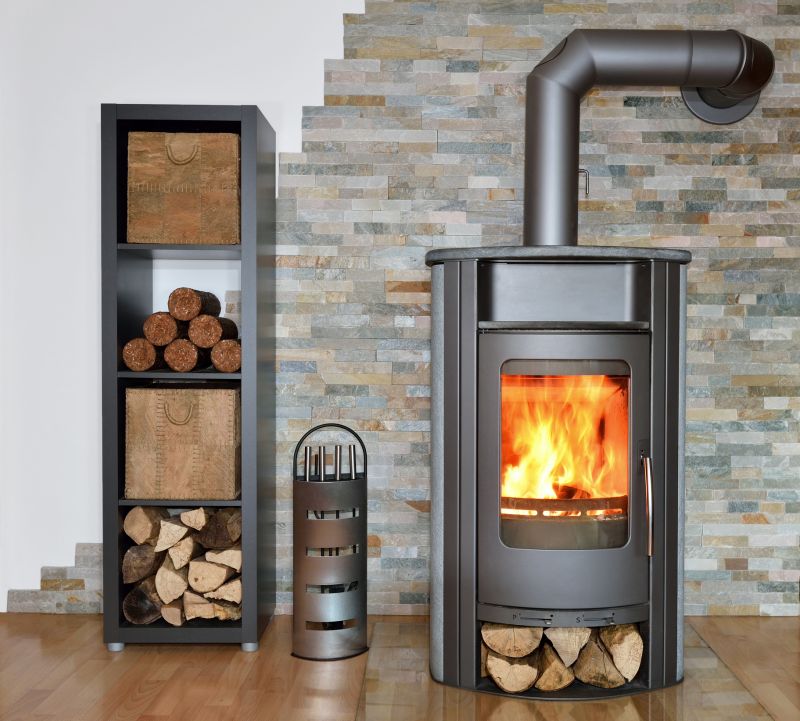
When comparing local contractors for chimney installation, it’s important to consider their experience with similar projects. Homeowners should look for service providers who have a demonstrated track record of handling chimney installations comparable to their specific needs. This can include familiarity with the type of chimney system being installed, the complexity of the property, or particular materials used. An experienced contractor is more likely to understand the nuances of the work, anticipate potential challenges, and deliver a quality result that aligns with the homeowner’s expectations.
Clear, written expectations are a crucial aspect of selecting a reliable service provider. Homeowners should seek out contractors who provide detailed estimates or proposals that outline the scope of work, materials to be used, and any relevant project milestones. Having this information in writing helps ensure that everyone is on the same page and reduces the likelihood of misunderstandings or surprises during the project. Transparent communication about what to expect also demonstrates professionalism and a commitment to customer clarity.
Reputable references and good communication are key indicators of a trustworthy local contractor. Homeowners can ask prospective service providers for references from past clients who had similar work done. Speaking with previous customers offers insight into the contractor’s reliability, quality of work, and ability to meet deadlines. Additionally, effective communication-such as prompt responses to questions and willingness to discuss project details-can make the process smoother and more predictable. These factors help homeowners feel confident in their choice of a service provider capable of managing the chimney installation professionally.
Property owners use Chimney Installation services for practical projects around their homes and businesses. This guide focuses on everyday jobs and straightforward project options.
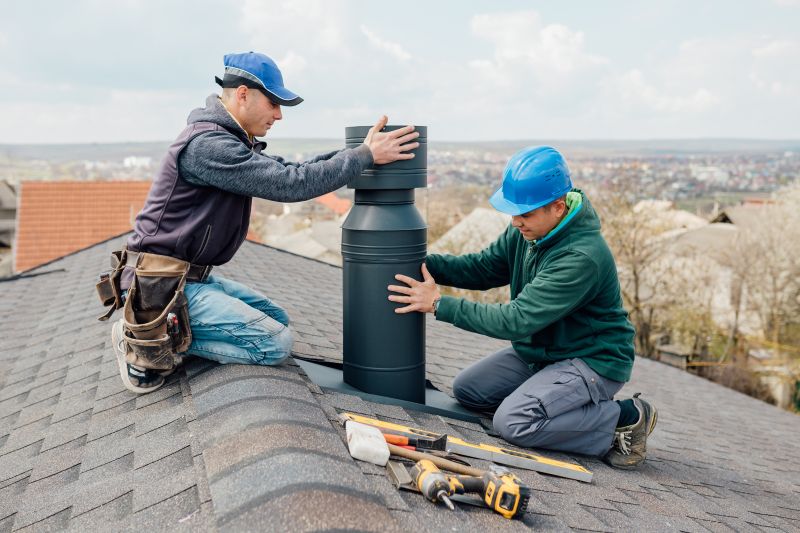
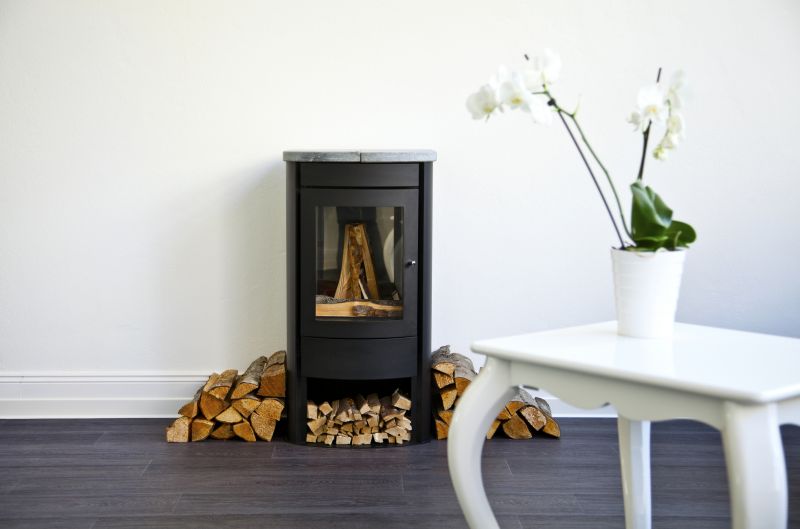
Chimney installation services are often needed when property owners are constructing new homes, upgrading existing fireplaces, or replacing outdated chimneys. Local contractors can assist with ensuring that the chimney is properly integrated into the building structure, helping to improve safety and functionality. Homeowners may also seek these services when experiencing issues with drafts, leaks, or blockages that compromise the chimney’s performance, prompting professional assessment and installation.
In addition, property owners might look for chimney installation services when renovating or expanding their living spaces, such as adding a new fireplace or outdoor hearth. Local service providers can offer guidance on the best materials and designs suited to the property’s architecture and needs. Whether for new construction or upgrades, connecting with experienced local contractors helps ensure the work is completed efficiently and to standard.
What types of chimneys can local contractors install? Local contractors can install various types of chimneys, including masonry, metal, and prefabricated models, depending on the home’s needs and preferences.
What materials are commonly used for chimney installation? Common materials used in chimney installation include brick, stone, stainless steel, and aluminum, chosen based on durability and compatibility with the home’s structure.
How do I know if my home needs a new chimney installation? Signs such as visible damage, poor draft, or outdated chimney design may indicate the need for a new installation, which local service providers can assess.
What should I consider when choosing a chimney installation service provider? It’s important to consider experience, reputation, and the ability to handle the specific type of chimney needed for your property when selecting a contractor.
What steps are involved in the chimney installation process? The process typically includes site assessment, material selection, preparation, and the actual installation, which local contractors can perform efficiently and safely.
Chimney Installation for Fireplace Upgrades - Property owners can enhance their living spaces by installing a new chimney for a fireplace upgrade, improving both function and aesthetic appeal.
Adding a Chimney for Outdoor Fireplaces - Installing a chimney for an outdoor fireplace or fire pit can create a cozy outdoor gathering area.
Chimney Installation for Heating Efficiency - Proper chimney installation can support efficient heating systems, helping to maintain consistent indoor temperatures during colder months.
New Chimney Construction for Renovations - During home renovations, property owners might consider adding a chimney to accommodate new heating appliances or design features.
If you are thinking about Chimney Installation for a property, this guide is meant to help you understand the work, the typical project types, and how different options might fit your plans.
When you are ready, you can use the quote form on this page to share a few details about your project. From there, local pros can review the basics and respond with options that match what you have in mind.